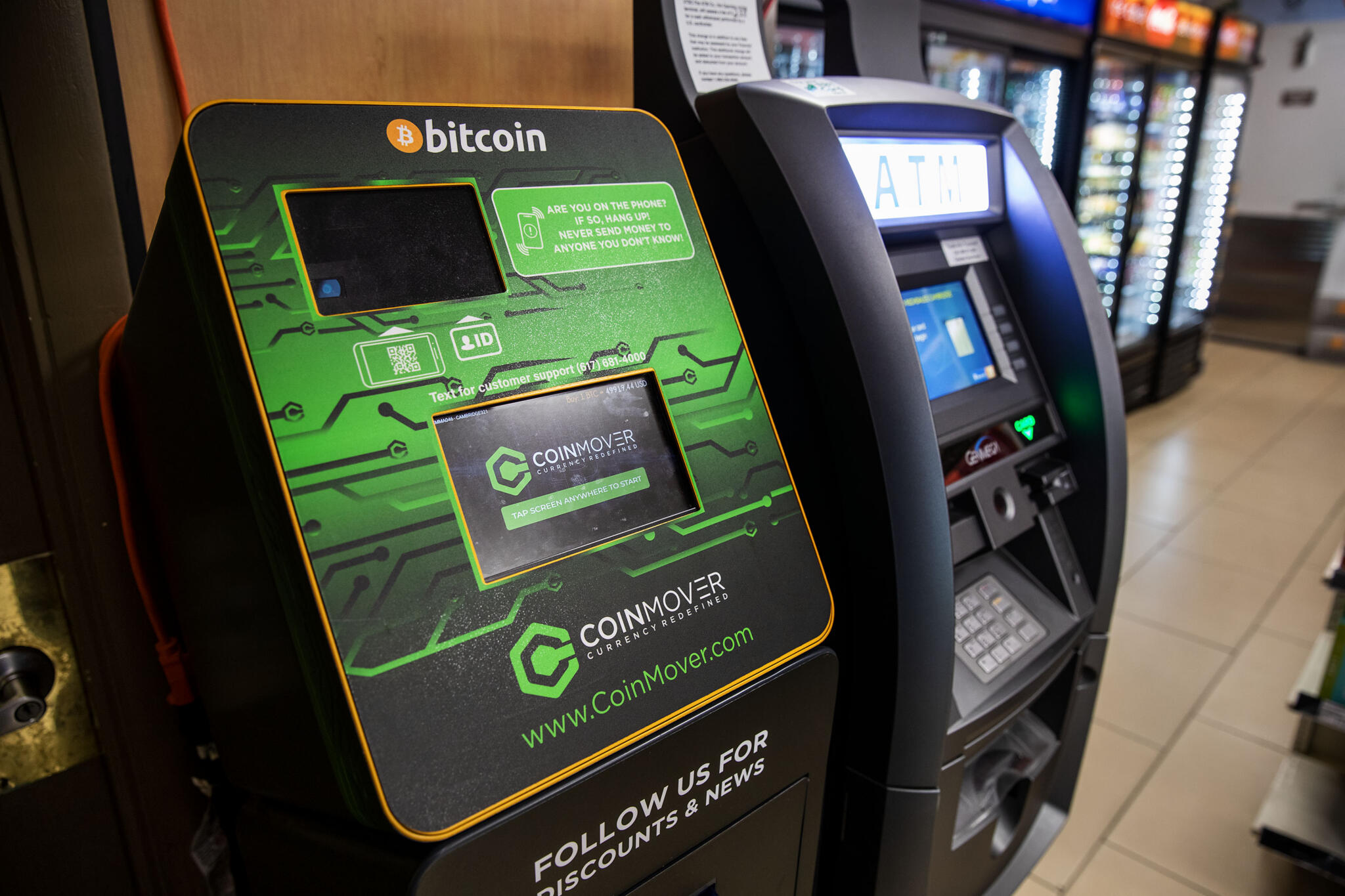
States and cities are moving to ban cryptocurrency kiosks. Local leaders are taking action because scams linked to these machines continue to rise. Lawmakers want to shut down the physical terminals to protect ordinary consumers from fraud.
Why are governments banning cryptocurrency kiosks?
A cryptocurrency kiosk looks just like a normal bank cash machine. People can walk up to one at a corner store, feed in paper cash, and send digital coins like Bitcoin right into a digital wallet. Because these machines turn cash into code in just a few minutes, criminals have found easy ways to trick victims into using them.
Scammers often call people on the phone, pretend to be police officers or company workers, and demand quick payments. They tell the victim to go to a local store and deposit cash into a crypto machine. Once the victim deposits the money, the funds vanish into private digital wallets. Police and local leaders are stepping in because victims almost never get their hard-earned cash back.
How scammers use crypto cash machines
The scam starts when someone gets a frightening phone call or a fake message. Criminals push the person to act quickly so they do not have time to think. Here are the common ways bad actors trick people at these machines:
- Callers pretend to work for the government and demand unpaid bills.
- Fraudsters tell victims that their bank accounts are frozen or under attack.
- Victims receive a barcode on their phone to scan at the local kiosk.
- The cash sent into the machine goes directly to the scammer.
When someone uses an ordinary bank transfer, a bank can sometimes stop the payment. Crypto transactions work differently. When cash goes into a crypto kiosk, the network processes the transaction right away. That makes it nearly impossible for police officers to reverse the payment or return the money to the victim.
What this ban means for everyday users
If these bans pass, casual buyers will no longer see crypto machines in convenience stores, gas stations, or local malls. People who do not use computers or bank cards often rely on cash machines to try out digital coins. A full ban removes that direct cash option from their neighborhoods completely.
Users who still want to buy digital assets will need to open accounts on licensed online exchanges instead. These online services require bank transfers and full identity checks. While this change takes away cash convenience, lawmakers argue that safe online platforms make life much harder for scammers who target vulnerable citizens.
What to watch for next in your city
More town halls and state houses are reviewing proposals to stop these machines. Some areas may vote on total bans, while other cities might choose strict rules, daily cash limits, or clear warning signs on the screens. Business owners who make money by hosting these terminals inside their shops will likely fight against strict rules.
For now, everyday people should remember one simple safety rule. No real police agency, utility company, or government office will ever tell you to pay them through a crypto kiosk. If a caller asks you to put money into a machine at a grocery store, hang up the phone immediately.

